Type Script: A Handwritten Font for Creative Projects
Finding a font that feels genuinely personal can be a challenge. You want something that doesn't look generic, but also remains legible and versatile. Type Script is a premium font designed to fill that gap, offering a distinct handwritten character that feels both authentic and polished. It’s not just another script font; it’s a tool for adding a human touch to your work, whether you’re a designer crafting a brand identity or a hobbyist personalizing a gift.
The Visual Character of Type Script
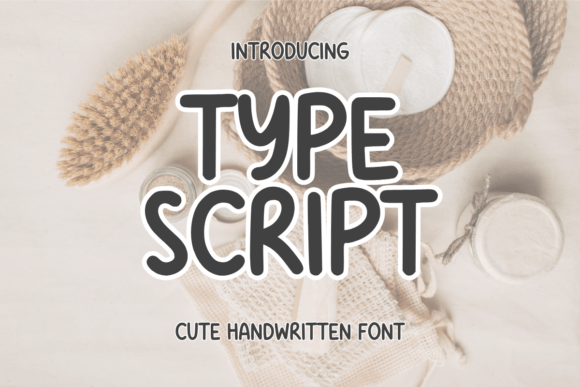
At its core, Type Script is a handwritten font with a modern sensibility. Its strokes have a natural, slightly varied weight that mimics the flow of a real pen, avoiding the overly rigid or cartoonish look some script fonts fall into. The letterforms are connected in a fluid cursive style, creating a sense of rhythm and movement. This isn't a chaotic scrawl; it's a controlled, elegant script that maintains excellent readability even at smaller sizes. The overall personality is one of approachable sophistication—it feels crafted, not mass-produced.
This visual style makes it an incredibly versatile typeface. It carries the warmth of a personal note but with the clarity needed for professional applications. Think of it as the font equivalent of a well-designed handwritten logo—it has character without sacrificing function. For anyone working in modern typography, this balance is key. You can use it to evoke creativity, intimacy, or artisanal quality without tipping into informality.
Where Type Script Truly Shines
The real value of a creative font like Type Script is in its application. It excels in projects where you need to connect with an audience on a personal level. In logo design, it can give a boutique brand, café, or creative studio an instant identity that feels friendly and established. For editorial design, think chapter headings in a cookbook or pull quotes in a lifestyle magazine—places where you want to draw the reader’s eye and add visual interest.
For entrepreneurs and small business owners, it’s a powerful asset for packaging design. Imagine it on a label for handmade soap, a coffee bag, or a candle box. It communicates care and quality. In the digital realm, it’s perfect for social media graphics, website headers, and email newsletters. A well-placed Type Script headline can stop the scroll and make your message feel more personal and urgent compared to standard sans serif fonts.
Of course, its utility extends to personal projects. It’s a favorite among crafters for a reason. The font translates beautifully to physical goods via Cricut and SVG files. Consider its use on:
- T-shirts and tote bags for custom apparel or promotional items.
- Mugs, keychains, and stickers for personalized gifts or small-batch product lines.
- Wedding invitations, greeting cards, and journal pages for a bespoke, handcrafted feel.
- Planners and scrapbooks where a touch of personality is desired.
Working With Type Script: Practical Guidance
Choosing the right font is only half the battle; using it effectively is what brings a project to life. When evaluating Type Script for a job, always consider context. It’s a display font, meaning it’s designed for impact at larger sizes. While it’s legible for short phrases, it’s not intended for long blocks of body text. Pair it wisely. It creates a beautiful contrast with a clean, geometric sans serif font for body copy, or with a simple serif font for a more traditional, layered look. Test your font pairing thoroughly to ensure the styles complement rather than compete.
Before finalizing any design, check the font’s included styles. Many premium fonts like Type Script come with alternates, swashes, or ligatures. These extras can add flair and prevent repetitive letter shapes, making your text look more custom. Always proofread your text in the specific font, paying attention to how letters connect and flow. Readability is paramount, especially for web design or small labels. If a word looks ambiguous, consider using a different word or adjusting letter spacing.
Finally, for any commercial project, verify the licensing. Using a commercial font correctly is essential for professional work. Ensure your license covers the intended use, whether for a client’s logo, merchandise for sale, or digital products. Investing in properly licensed design assets like Type Script protects your work and supports the designers who create the tools we rely on. By thoughtfully integrating this font into your toolkit, you add a reliable and expressive element that can elevate the perception of any project.