The Designer's Guide to Using Delisha Script in Modern Projects
Every creative project has a voice. The typography you choose gives that voice its tone, its personality, its very character. When a design calls for something personal, fluid, and unmistakably elegant, a standard sans serif or serif font often falls short. This is where a premium script font like Delisha Script enters the conversation. It’s not just another handwritten font; it’s a sophisticated typeface crafted to bring a specific, high-end aesthetic to your work, bridging the gap between casual warmth and polished professionalism.
Understanding the Delisha Script Aesthetic
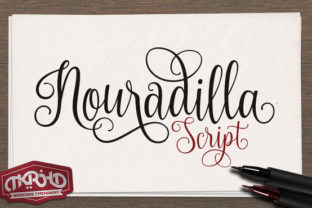
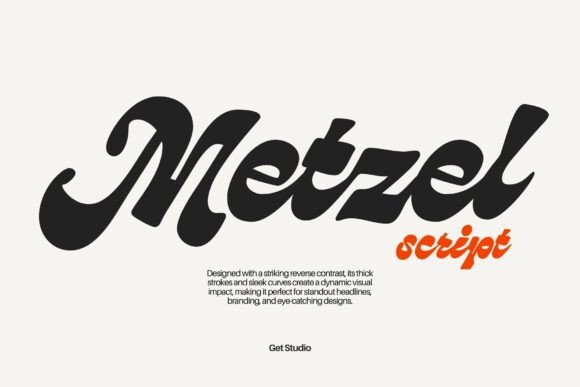
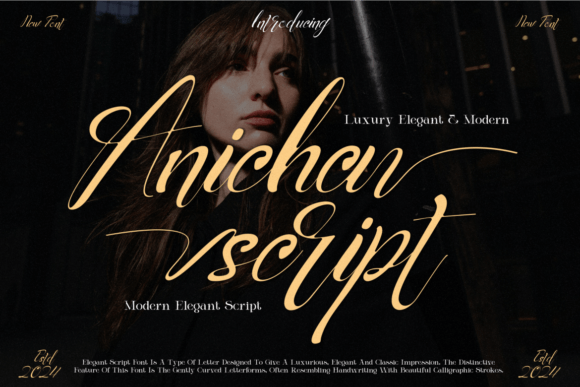
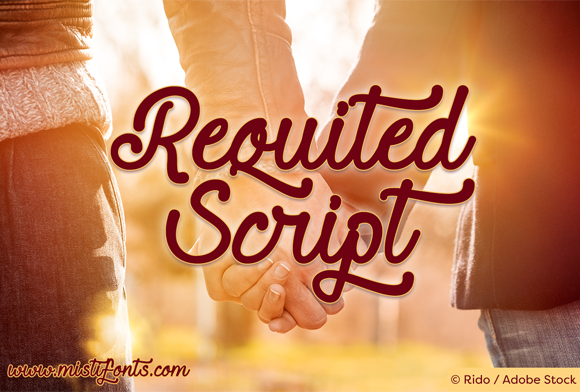
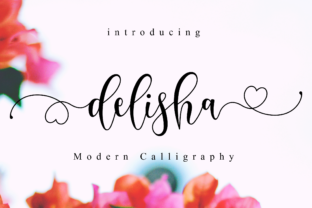
At its core, Delisha Script is a modern script font that masterfully balances classic calligraphic roots with contemporary design sensibilities. Its visual characteristics are defined by flowing, connected letterforms that mimic the natural movement of a skilled hand. You’ll notice graceful swashes and subtle variations in stroke weight, which prevent it from looking static or overly digitized. The overall personality is one of refined elegance—it feels luxurious and intentional, yet approachable and personal.
This typeface sits comfortably in the "display font" category, meaning it’s designed to be used for headlines, logos, and short bursts of impactful text rather than long paragraphs. Its appeal lies in its ability to convey authenticity and craftsmanship. For a small business owner, it can suggest a personal, hands-on approach. For a designer, it offers a versatile tool to inject personality into a brand identity without sacrificing legibility or professionalism.
Where Delisha Script Truly Shines: Practical Applications
The strength of a creative font like Delisha Script is its versatility across specific project types. Its elegant handwritten style makes it a natural fit for designs where emotion and personal touch are paramount.
Branding and Logo Design: This is perhaps its most powerful application. A logo set in Delisha Script can instantly communicate a brand’s values of elegance, care, and individuality. It works beautifully for boutique businesses, lifestyle brands, wedding planners, artisanal product makers, and personal blogs. The script adds a signature-like quality that feels unique and ownable, helping a brand stand out in a crowded market. It’s crucial, however, to pair it wisely. A clean sans serif or a simple serif font often makes an excellent companion for body text, creating a clear visual hierarchy.
Packaging and Editorial Design: Imagine a candle label, a gourmet food package, or a cosmetics box. Delisha Script can elevate the product name or a key descriptor, adding a layer of perceived quality and sophistication. In editorial design, such as for magazines or book covers, it serves as a stunning display font for titles and pull quotes, drawing the reader’s eye and setting the mood for the content within.
Invitations, Stationery, and Event Collateral: This is a classic use case. For wedding invitations, gala programs, or high-end stationery, the font provides the essential handwritten touch. It transforms a simple card into a keepsake, making the recipient feel personally addressed. Its elegance ensures the design feels festive and special, not casual or hurried.
Making the Right Choice: Guidance for Your Project
Choosing a font is a strategic decision. Before integrating Delisha Script into your next project, consider these practical points to ensure it’s the right fit and used effectively.
Evaluate Project Fit: Ask yourself about the project’s core message. Is it aiming for warmth, luxury, romance, or artisanal quality? Delisha Script excels here. If the primary need is for extended readability in body copy, it’s the wrong tool. Its role is to accent and highlight, not to narrate.
Test Font Pairings Relentlessly: The success of using a script font often depends on its partner. A common and effective strategy is to pair Delisha Script with a neutral, highly legible sans serif font for supporting text. This contrast allows the script to command attention for headlines while the sans serif provides clarity for longer descriptions. Alternatively, pairing it with a sturdy serif font can create a more traditional, book-inspired feel. Always test the pairing at the actual size it will be viewed to check for visual harmony.
Consider Readability and Hierarchy: Legibility is key. Use Delisha Script for short phrases, logos, or headings where its intricate details can be appreciated. Avoid using it for small body text, technical information, or anywhere where quick, effortless reading is essential. Establish a clear hierarchy: the script for the main message, a complementary font for the secondary information.
Review Included Styles and Licensing: A robust premium font like Delisha Script often comes with more than just the basic letters. Look for included styles such as regular, italic, and bold weights, which can offer subtle variations. Also, check for extras like swashes, alternates, and ligatures. These features allow you to customize the look further, ensuring your design feels unique. Crucially, always verify the commercial license. If you’re using it for a client’s business, merchandise, or a product for sale, you need the appropriate license that covers commercial use. This protects both you and your client.
Integrating Delisha Script into Your Design Workflow
Once you’ve decided to use Delisha Script, think about integration. It’s a powerful design asset, but like any tool, its impact depends on how you wield it. Start by using it for the most prominent element—often the brand name in a logo or the main headline on a poster. From there, let its style guide the rest of your design’s aesthetic.
Pay attention to spacing and sizing. Because of its connecting letters, script fonts can sometimes appear cramped or too loose. Adjust the tracking (letter-spacing) carefully to ensure each letter is distinct yet fluidly connected. In modern typography, less is often more. A single, well-placed use of Delisha Script can have more impact than overusing it across an entire layout.
Ultimately, Delisha Script is more than just a set of glyphs; it’s a conduit for emotion and intent. It allows designers, entrepreneurs, and creators to infuse their projects with a human touch that resonates on a deeper level. By understanding its strengths, respecting its limitations, and applying it with thoughtful strategy, you can leverage this beautiful script font to create work that is not only visually stunning but also communicatively powerful and unmistakably professional.